


Case study
Bhutan: national identity under pressure
We supported the Royal Kingdom of Bhutan in building a unified national brand that honoured heritage while advancing modernisation, structuring a brand system that spans tourism, trade, culture and diplomacy.
Client
Royal Kingdom of Bhutan
Sector
Nation brand, tourism
Region
South Asia
Years
2014 onwards
Services
Nation brand strategy, brand architecture, capability building

The challenge
In 2014, Bhutan began its first coordinated national brand programme, a turning point for the small Himalayan kingdom. The project was awarded to FutureBrand, financed by UNDP, and led by Dan Dimmock, then Chief Strategy Officer for APAC.
The goal was to unify Bhutan's external image across tourism, trade, culture and diplomacy while strengthening national identity at home. Like other small economies, Bhutan could not rely on GDP or scale: most international brand rankings favour large economies.
What we did
Dan founded Firstwater in 2015. In 2016, recognising the need for sustained implementation support, Bhutan invited Firstwater to lead capability-building programmes across government departments and private-sector representatives. This phase embedded the brand beyond visual identity and messaging, so that it became part of policy and practice.
Brand architecture
The programme used a branded house model with masterbrand endorsement: a cohesive yet flexible framework for diverse national initiatives.
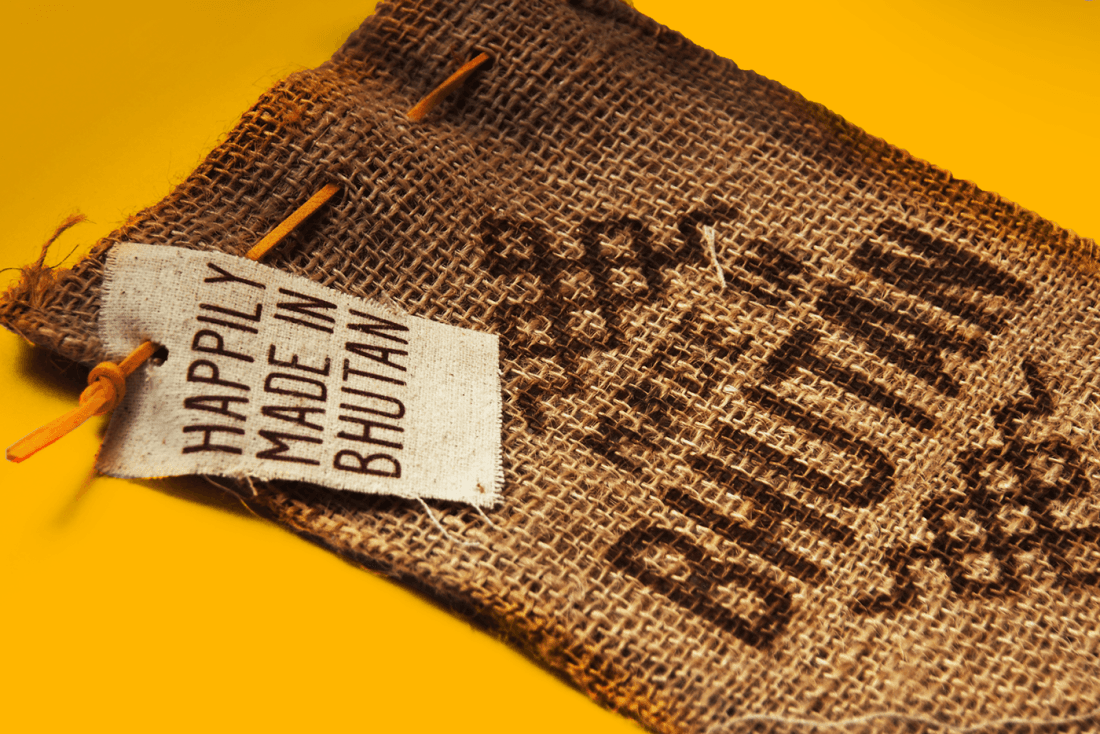
Made in Bhutan: positioning artisanal and manufactured goods on authentic craftsmanship.
Grown in Bhutan: elevating agricultural exports through quality assurance.
Tourism Bhutan: a "High Value, Low Volume" strategy, later branded under Believe.
The architecture gave Bhutan coherence across initiatives while reinforcing its core identity. Because of the masterbrand halo, success in one area lifted perception across the others.
What made it work
Brand as strategy: integration with national policy and governance structures.
Authentic differentiation: the Gross National Happiness philosophy as a genuine competitive advantage.
Measured implementation: capability-building across government and the private sector.
Sustainability leadership: carbon-negative status as a core brand pillar.
Cultural preservation: heritage as a driver of contemporary relevance.
Quality over quantity: a high-value, low-volume approach across sectors.
The work


The result
"Made in Bhutan" was honoured in the 2018 REBRAND 100® Global Awards, a sign that the programme was shifting international perceptions and driving tangible economic outcomes.
Tourism
Ranked the number one country to visit in Lonely Planet's Best in Travel 2020.
156,462 tourist arrivals in 2024, up 52% year on year, despite a $200-a-day Sustainable Development Fee.
The "Bhutan Believe" campaign (2022) merged tourism with national identity and won Silver at the 2025 International Tourism Film Awards.
Trade
By 2023, 71 certified products operated under the Made in Bhutan and Grown in Bhutan programmes.
Agricultural exports reached Nu.3.51 billion in 2024, across 19 countries.
The Seal of Excellence programme raised product standards while empowering local enterprises.
Diplomacy
Diplomatic relations expanded to Germany and Israel (2020), then Saudi Arabia and Lesotho (2024).
Bhutan graduated from Least Developed Country status in 2023, which the UN called an extraordinary milestone.
Nature and culture
Bhutan remains the world's first carbon-negative country, with around 70% forest cover.
Its tiger population has grown by around 27% since 2015.
Lunana: A Yak in the Classroom (2019) earned the country's first Academy Award nomination.
Bhutan shows that when brand is treated as strategy in action, even the smallest nation can build outsized influence and lasting value on the global stage.
+29 places
Bhutan’s rise in the Bloom Consulting tourism ranking, from 168th in 2013, the year before the programme began, to around 139th (36th in Asia) in 2022/23
Source: Bloom Consulting Country Brand Ranking (Tourism)
“
An inspiration to the people of our country and safeguard to our national identity.”

Sonam Tenzin
Director General, Department of Trade